
As the Chief Editor and Publisher at Stardom Books, one of the most commonly asked questions I get asked is, "Raam, what TYPE of book should I publish?"
Most people think about their "personal journey" when they imagine their own book.
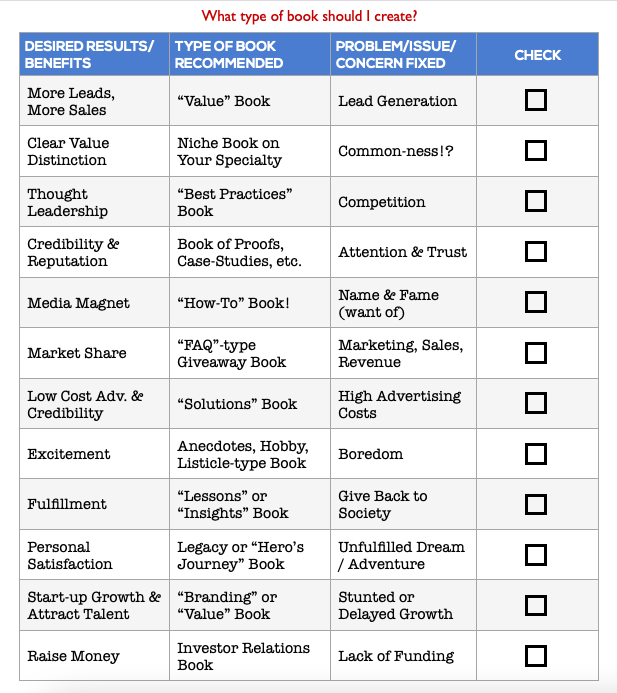
Well... the type of book you should write can be directly linked to the results or benefits you desire, coupled with addressing specific problems, issues, concerns or challenges you may be having in your life or work.
Here are 12 "types" of books you can think of, based this principle. I teach this to the world's top 1% leaders.
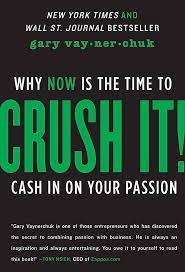
Considering expanding your business outreach? A "Value" book showcases the unique offerings of your business or brand, attracting potential clients and amplifying sales. Perfect for entrepreneurs wanting to establish a robust lead generation channel.
Example: “Crush It!: Why NOW Is the Time to Cash In on Your Passion” by Gary VaynerchuckGary’s book provides valuable insights into personal branding and turning passions into profitable careers.
In a saturated market, it's crucial to distinguish oneself. Dive deep into your niche, offering insights that no one else does. This book will establish your unparalleled expertise.
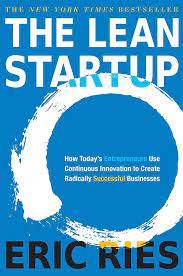
Example: “The Lean Startup: How Today's Entrepreneurs Use Continuous Innovation to Create Radically Successful Businesses” by Eric Ries
Ries hones in on a specialized methodology for startups, distinguishing this approach from traditional business strategies
Become a guiding star in your industry. A “Best Practices” book can set industry standards and position you as a thought leader, ahead of competitors.
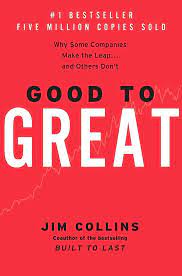
Example: “Good to Great: Why Some Companies Make the Leap... and Others Don't” by Jim CollinsCollins meticulously analyzed various companies and identified best practices that make companies outstanding.
Build trust and win attention by showcasing real-life examples, success stories, or case studies that prove your methods and approaches.
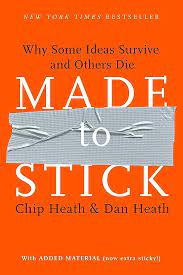
Example: “Made to Stick: Why Some Ideas Survive and Others Die” by Chip Heath & Dan Heath.This book provides a myriad of examples and case studies on what makes ideas memorable.
Being an expert in "how-to" can gain you media spots as a reliable go-to person for your industry. It's a great way to garner attention and establish yourself.
Example: “How to Win Friends and Influence People” by Dale CarnegieCarnegie's timeless book provides actionable advice on improving personal and professional relationships.

A giveaway that answers frequently asked questions can be a goldmine, helping in efficient marketing and boosting sales and revenue.
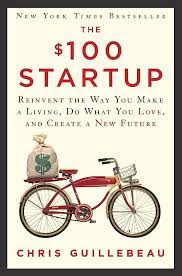
Example: “The $100 Startup: Reinvent the Way You Make a Living, Do What You Love, and Create a New Future” by Chris GuillebeauChris offers insights from numerous case studies and FAQs for budding entrepreneurs.
Tired of high ad costs? Why not let your book be the advertisement? Offer solutions to common problems in your field, establishing your brand's credibility.
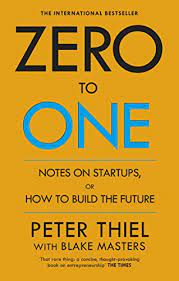
Example: “Zero to One: Notes on Startups, or How to Build the Future” by Peter Thiel.Thiel provides unique solutions to budding entrepreneurs, addressing various startup challenges.
Spark interest and excitement with relatable anecdotes, hobbies, or quick-listicle type information. Perfect for personal branding.
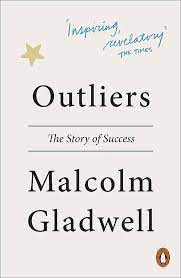
Example: “Outliers: The Story of Success” by Malcolm GladwellGladwell shares intriguing anecdotes and stories about what makes high-achievers different.
Share life lessons or insights to help others navigate their paths, fulfilling your desire to give back to the community.
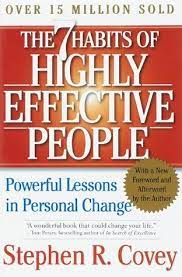
Example: “The 7 Habits of Highly Effective People: Powerful Lessons in Personal Change” by Stephen R. Covey.Covey shares transformative lessons that have proven to be effective for individuals globally.
Document your life journey or adventures, leaving behind a legacy and finding personal satisfaction in sharing your story.
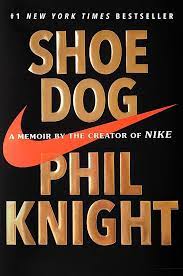
Example: “Shoe Dog: A Memoir by the Creator of Nike” by Phil Knight.Knight narrates his journey of creating and building Nike, a blend of his personal and professional life.
Perfect for startups. Cement your brand's principles and values in a book, helping in business growth and attracting the right talent.
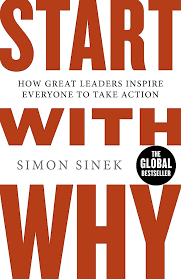
Example: “Start with Why: How Great Leaders Inspire Everyone to Take Action” by Simon Sinek.Sinek discusses the power of 'Why' in branding, emphasizing its significance in attracting loyal customers and employees.
Targeting potential investors? Outline your business's potential, strategies, and vision in a dedicated book to secure funding.
Example: “The Hard Thing About Hard Things: Building a Business When There Are No Easy Answers” by Ben HorowitzBen Horowitz, co-founder of the venture capital firm Andreessen Horowitz, narrates his journey of navigating the challenging world of startups. This book not only provides deep insights into the startup world but also played a role in establishing Horowitz's reputation, making it easier for him to attract investors and partners.

In conclusion, the journey to your own authorship is not just about writing; it's about writing the right book.
Reflect on your core desires, objectives, and the problems you wish to address. The correct book type will not only set you on the path to success but also bring immense satisfaction in having achieved your desired results.

Founder, Chief Editor and Publisher of Stardom Books, and creator of The Authority Forum. He has directed 260+ leaders to become internationally published authors. About the house · raamanand.com